
Introduction
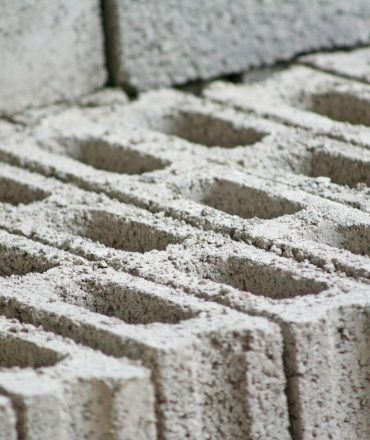
Concrete block insulation is crucial for improving energy efficiency and indoor comfort in buildings. Concrete blocks are widely used in construction due to their strength and durability. However, without proper insulation, they can be less effective in controlling indoor temperatures and energy use. This article will explore the importance of concrete block insulation, methods for insulating concrete blocks, and how it contributes to energy savings and comfort.
Why Insulate Concrete Blocks?
Concrete blocks offer excellent structural benefits but can be poor insulators due to their thermal conductivity. Without proper insulation, buildings made with concrete blocks can experience significant heat loss in winter and heat gain in summer. Insulating concrete blocks helps bridge this gap, making buildings more energy-efficient and comfortable.
Benefits of Concrete Block Insulation
1. Improved Energy Efficiency
One of the primary benefits of concrete block insulation is enhanced energy efficiency. Insulation reduces the amount of heat that escapes from a building in winter and prevents unwanted heat from entering in summer. This leads to lower heating and cooling costs. Properly insulated concrete blocks help maintain a stable indoor temperature, reducing the need for excessive heating or cooling.
2. Enhanced Comfort
Concrete block insulation contributes to a more comfortable living environment. Insulation helps eliminate cold spots and drafts within the building. It also reduces noise transmission, creating a quieter indoor space. With better temperature control and reduced noise, occupants can enjoy a more pleasant and comfortable experience.
3. Increased Durability
Insulating concrete blocks can also enhance the overall durability of a building. Insulation helps protect the concrete from temperature fluctuations and moisture, which can lead to cracking and deterioration over time. By maintaining a stable temperature, insulation reduces the risk of damage to the building structure.
Methods for Insulating Concrete Blocks
1. Exterior Insulation and Finish Systems (EIFS)
Exterior Insulation and Finish Systems (EIFS) involve applying insulation material to the outside of concrete block walls. This method includes a layer of insulation board covered with a weather-resistant finish. EIFS provides excellent thermal insulation and can improve the appearance of the building. It also helps in preventing moisture infiltration.
2. Interior Insulation
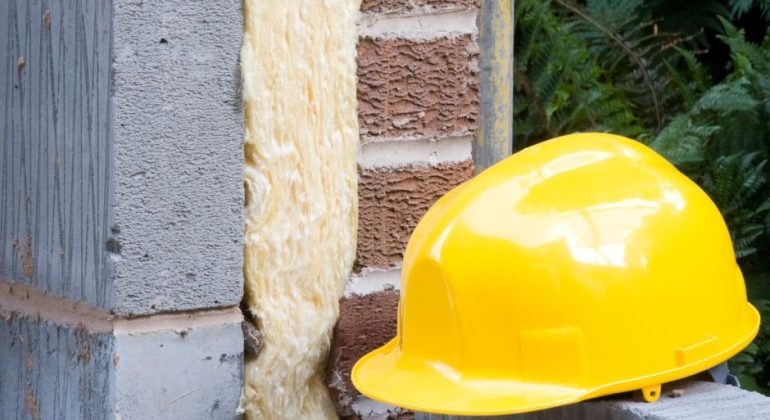
Interior insulation involves adding insulation material to the interior surface of concrete block walls. Common materials include fiberglass batts, foam boards, and spray foam. Interior insulation is effective in reducing heat transfer and can be combined with other wall finishes. This method is particularly useful in existing buildings where exterior insulation is not feasible.
3. Insulated Concrete Blocks
Some concrete blocks come with built-in insulation. These blocks have an insulating material, such as expanded polystyrene (EPS), integrated into their design. Insulated concrete blocks provide a dual-function solution by combining structural strength and thermal insulation in one product. This method simplifies the construction process and offers efficient insulation.
4. Injection Foam Insulation
Injection foam insulation involves injecting a foam insulation material into the cores of hollow concrete blocks. The foam expands and fills the voids, providing effective insulation. This method is suitable for existing concrete block walls and helps improve thermal performance without requiring major modifications.
Cost Considerations
When considering concrete block insulation, it is essential to evaluate the cost and benefits. While insulation can involve an initial investment, the long-term savings on energy bills often outweigh these costs. Additionally, improved comfort and building durability add value to the property. It is advisable to consult with professionals to determine the most cost-effective insulation solution for your specific needs.
Choosing the Right Insulation for Your Project
Selecting the appropriate insulation method depends on various factors, including the building’s location, design, and existing conditions. Consult with experts to assess your needs and choose the best insulation option. For high-quality concrete blocks and insulation solutions, consider working with Motherland Concrete and Logistics Ltd. Their expertise ensures that you receive products and services that enhance your building’s performance and efficiency.
Discover the benefits of concrete block insulation for improving energy efficiency and comfort. Learn about various insulation methods, including EIFS, interior insulation, and injection foam. Explore how Motherland Concrete and Logistics Ltd. can help with high-quality insulation solutions.
Conclusion
Concrete block insulation plays a vital role in enhancing the energy efficiency and comfort of buildings. By understanding the benefits and methods of insulating concrete blocks, you can make informed decisions to improve your building’s performance. Whether you opt for exterior insulation, interior solutions, or insulated blocks, proper insulation will lead to lower energy costs, increased comfort, and greater durability. Partner with Motherland Concrete and Logistics Ltd. to ensure you receive top-notch insulation products and services that meet your construction needs. Invest in concrete block insulation today to enjoy a more efficient and comfortable living space.