
In modern construction, efficiency, cost-effectiveness, and structural integrity are critical considerations. One of the most versatile building materials that meet these needs is the hollow block. But what exactly are hollow blocks, and why are they gaining popularity in Kenya and beyond? In this article, we explore what are hollow block types, advantages, and how companies like Motherland Concrete & Logistics are revolutionizing construction with this material.
Understanding Hollow Blocks
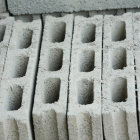
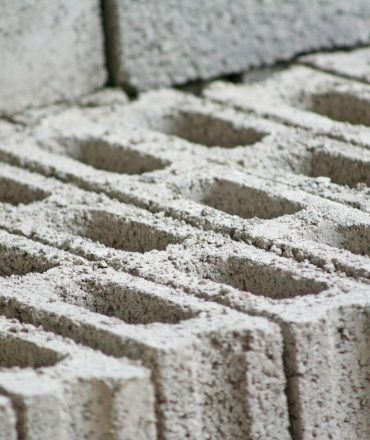
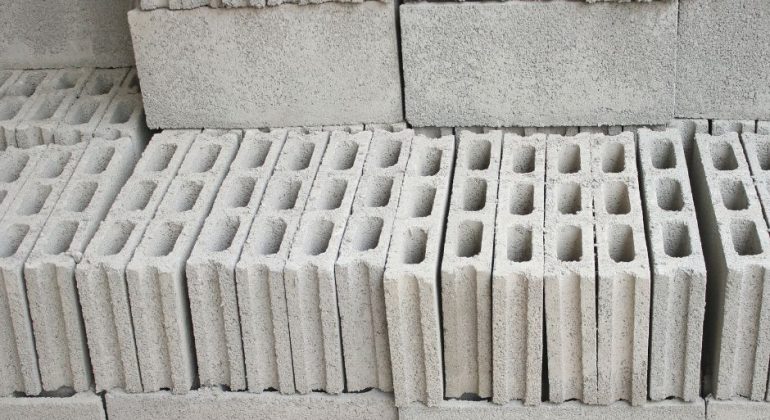
To fully grasp what are hollow block types, advantages, it’s essential to start with the basics. Hollow blocks are concrete masonry units that have one or more hollow cores. These blocks are used in building walls and other structures due to their lightweight nature and thermal insulation properties. The hollow spaces make them lighter than solid blocks while maintaining high compressive strength.
Manufacturers like Motherland Concrete & Logistics produce various hollow blocks to suit different construction needs, ranging from partition walls to load-bearing structures.
Types of Hollow Blocks
When evaluating what are hollow block types, advantages, it’s important to consider the diversity in block types, as each serves a unique purpose. Here are some common types:
1. Stretcher Block
This is the most common type of hollow block. It is used in the construction of main walls and is laid in a stretcher position.
2. Corner Block
These are specially designed to form the corner of a wall and are ideal when constructing buildings with precise dimensions.
3. Pillar Block
Used in column construction, pillar blocks offer high compressive strength and stability.
4. Jamb Block
These blocks are designed to accommodate door and window frames with ease.
5. Partition Block
Lightweight and slim, partition blocks are ideal for dividing spaces within buildings without adding unnecessary weight to the structure.
Understanding what are hollow block types, advantages gives builders a flexible toolbox to design cost-efficient and durable structures.
Advantages of Hollow Blocks
Now that we’ve identified the types, let’s dive into the core of what are hollow block types, advantages in construction.
1. Cost-Effective
Hollow blocks require less concrete and steel, making them cheaper to produce and transport. Their lightweight nature also reduces labor and transportation costs.
2. Thermal and Sound Insulation
The air pockets within hollow blocks act as natural insulators, reducing heat transfer and sound penetration. This makes buildings more energy-efficient and quieter.
3. Faster Construction
Due to their larger size and lighter weight, hollow blocks speed up construction time, making them ideal for both small and large projects.
4. Eco-Friendly
Most hollow blocks are made from recycled materials like fly ash and industrial waste. Companies like Motherland Concrete & Logistics are championing sustainable construction by using eco-conscious production methods.
5. Structural Strength
Despite being lighter, hollow blocks offer impressive compressive strength, especially when reinforced with steel rods and concrete grout. This makes them suitable for load-bearing structures.
Understanding what are hollow block types, advantages helps developers select the right material while promoting sustainable construction practices.
Application in Real-Life Projects
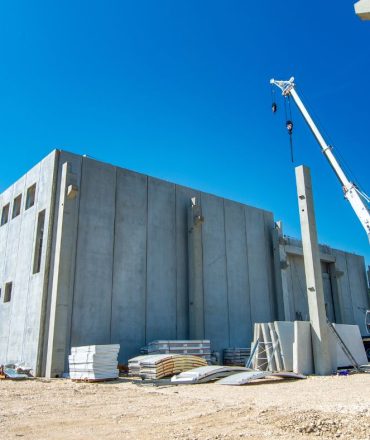
Many construction projects across Kenya are benefiting from hollow block solutions. With companies like Motherland Concrete & Logistics supplying high-quality blocks, real estate developers and individual builders are achieving excellence in design and structural performance.
For instance, hollow blocks are used in:
- Residential apartments
- Office buildings
- Boundary walls
- Institutional buildings
The adaptability of these blocks makes them a favorite among architects and engineers who understand what are hollow block types, advantages and how to apply them efficiently.
Why Choose Motherland Concrete & Logistics
When exploring what are hollow block types, advantages, choosing the right supplier is just as important as understanding the product. Motherland Concrete & Logistics has built a solid reputation for manufacturing premium quality hollow blocks that meet international standards.
Their commitment to quality assurance, timely delivery, and customer satisfaction makes them a preferred partner in Kenya’s construction industry. With advanced machinery and skilled technicians, they offer blocks in various sizes, shapes, and compressive strengths.
Whether you’re building a multi-story complex or a single-room house, Motherland Concrete & Logistics ensures you have the right blocks for your needs.
Considerations When Using Hollow Blocks
While the benefits are many, understanding what are hollow block types, advantages also involves knowing how to use them correctly. Here are a few considerations:
- Foundation Compatibility: Ensure the foundation can handle the load distribution of hollow block walls.
- Proper Alignment: Use a spirit level to keep walls aligned during construction.
- Moisture Protection: Use waterproofing treatments for hollow block walls in wet areas.
- Skilled Labor: Though blocks are easy to install, hiring experienced masons ensures structural integrity.
By keeping these factors in mind, you can make the most of what are hollow block types, advantages and enjoy a strong, efficient, and aesthetic building.
The Future of Hollow Block Construction
With urbanization and climate change concerns on the rise, the demand for efficient and sustainable building solutions is growing. Hollow blocks are becoming a symbol of modern, eco-conscious construction. More developers are educating themselves on what are hollow block types, advantages, and aligning their projects with global trends.
Companies like Motherland Concrete & Logistics are leading this shift by offering training, custom solutions, and consistent quality. As innovation continues, we can expect to see more specialized hollow block types designed for specific applications such as earthquake resistance or higher thermal performance.
Conclusion
To summarize, understanding what are hollow block types, advantages is essential for anyone involved in construction. These blocks offer numerous benefits — from cost savings and quick installation to environmental friendliness and superior insulation.
By choosing reliable suppliers like Motherland Concrete & Logistics, builders can rest assured of both product quality and professional support. Whether for residential, commercial, or institutional construction, hollow blocks remain a smart and sustainable choice.
So, if you’re planning your next project, take the time to explore what are hollow block types, advantages you might just find the perfect building solution you’ve been looking for.